INNOVA FOOTBALL · WEEKLY NEWSLETTER →PROPOSE COLLABORATION →

Consulting & Implementation

Implementing Performance Architectures

We build work systems that survive personnel turnover and crises.
Implementing Performance Architectures
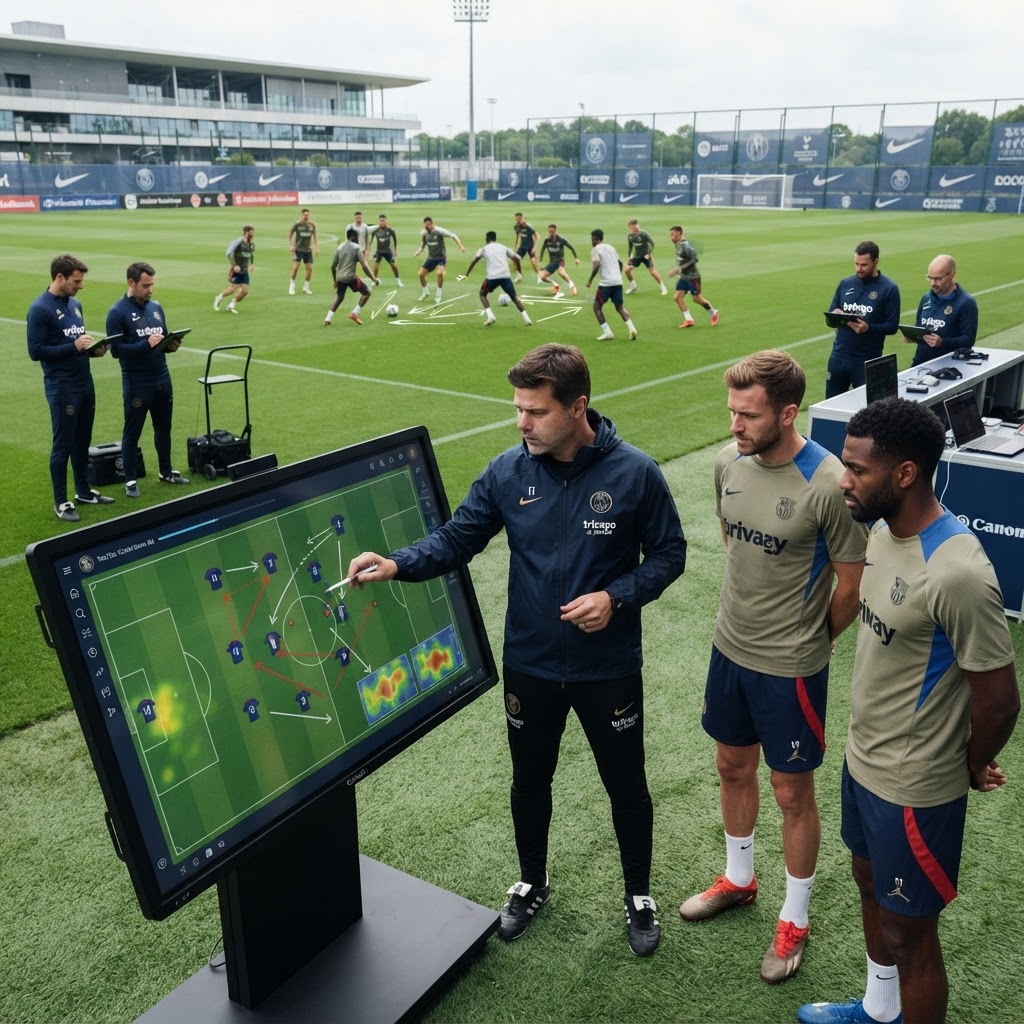
From consulting to implementation, the decisive question is how to turn an idea into governance, processes, responsibilities, and measurable operational changes within a club or federation. Modern sporting management often fails by treating the team as a sum of static components. True performance architecture lies in the team's ability to self-organize under pressure. Excellence is proportional to the quality of decision-making systems integrated at all levels of the club. By designing training tasks as adaptive response scenarios rather than technical repetitions, we cultivate executive autonomy. The challenge is not performance during calm phases, but the reconfiguration of the system in the face of chaos. Progress must be measured by efficiency in information transfer, not by hours on the pitch. A systemic methodology ensures that tactical identity survives staff changes. A club with a shared cognitive structure is resilient. Audit your work: if it collapses under extreme fatigue or contextual changes, it is a script, not a system. Consulting only creates lasting value when the organization can continue using the system after the consultant leaves.

Explore David Pons professional profile and strategic collaboration

David Pons professional profile

#FootballConsulting #InnovationInFootball #InstitutionalGrowth #PonsMethod #SportsStrategy #DavidPons #FootballCoach #UEFAPro #FootballLeadership #SportingDirector
Request consulting and implementation. The fundamental error in modern sporting management is treating the team as a sum of static components rather than an organism that breathes under pressure. Performance architecture does not reside in the rigidity of a predefined game model, but in the ability of structures to self-organize in the face of uncertainty. My thesis is clear: competitive excellence is directly proportional to the quality of decision-making systems integrated into every level of the club. When a coaching staff designs training tasks as adaptive response scenarios, rather than mere technical repetitions, they are building a culture of executive autonomy. The challenge is not what to do when the plan works, but how the system reconfigures fluidly when the context changes drastically. To achieve this resilience, we must stop measuring progress by the accumulation of hours on the pitch and start measuring it by the efficiency of information transfer between staff and the squad. Implementing a clear decision-making architecture allows tactical identity to survive name rotations and results-driven crises. A club with a systemic methodology does not depend on isolated individuals; it depends on a shared cognitive structure that guides action in fractions of a second. The practical implication for any sporting director or coach is to audit their current methodology: if your work system cannot be executed with precision under extreme fatigue and contextual chaos, then it is not a system, it is a fragile script. We must move toward architectures that prioritize the thought process over the aesthetic result. Visualize this as a system of interconnected pulleys: if you pull one, the rest adjust automatically to maintain balance, avoiding operational collapse. Institutional robustness is born when the methodology becomes the universal language that unites the football director, the coaching staff, and the player. https://institutometodopons.com | https://football.ponsmethod.com | https://ponsmethod.com